Introduction
Florida’s swimming pool market presents unique challenges for contractors, installers, and equipment suppliers.
Unlike many regions where pool heating is mainly a seasonal requirement, Florida pools are exposed to demanding outdoor conditions throughout the year:
- High temperature and humidity
- Strong UV exposure
- Coastal environments with salty air
- Saltwater and chemically treated pools
- Long operating seasons
For pool builders and service companies, selecting a pool heat pump is not only about heating capacity. Equipment reliability, corrosion resistance, installation requirements, and long-term service performance all influence the success of a project.
For Florida professionals, the key question is:
Can the pool heat pump maintain reliable performance in a hot, humid, and chemically challenging environment?
1. Saltwater Pools Change How Contractors Evaluate Heat Pump Equipment
Saltwater pools have become increasingly common in residential, hospitality, and wellness applications.
While saltwater systems can provide a different pool maintenance experience, they also create additional requirements for pool equipment installed in the circulation system.
For contractors, important considerations include:
- Heat exchanger material
- Corrosion resistance
- Outdoor durability
- Long-term maintenance requirements
The heat exchanger is one of the most important components when evaluating pool heat pump reliability.
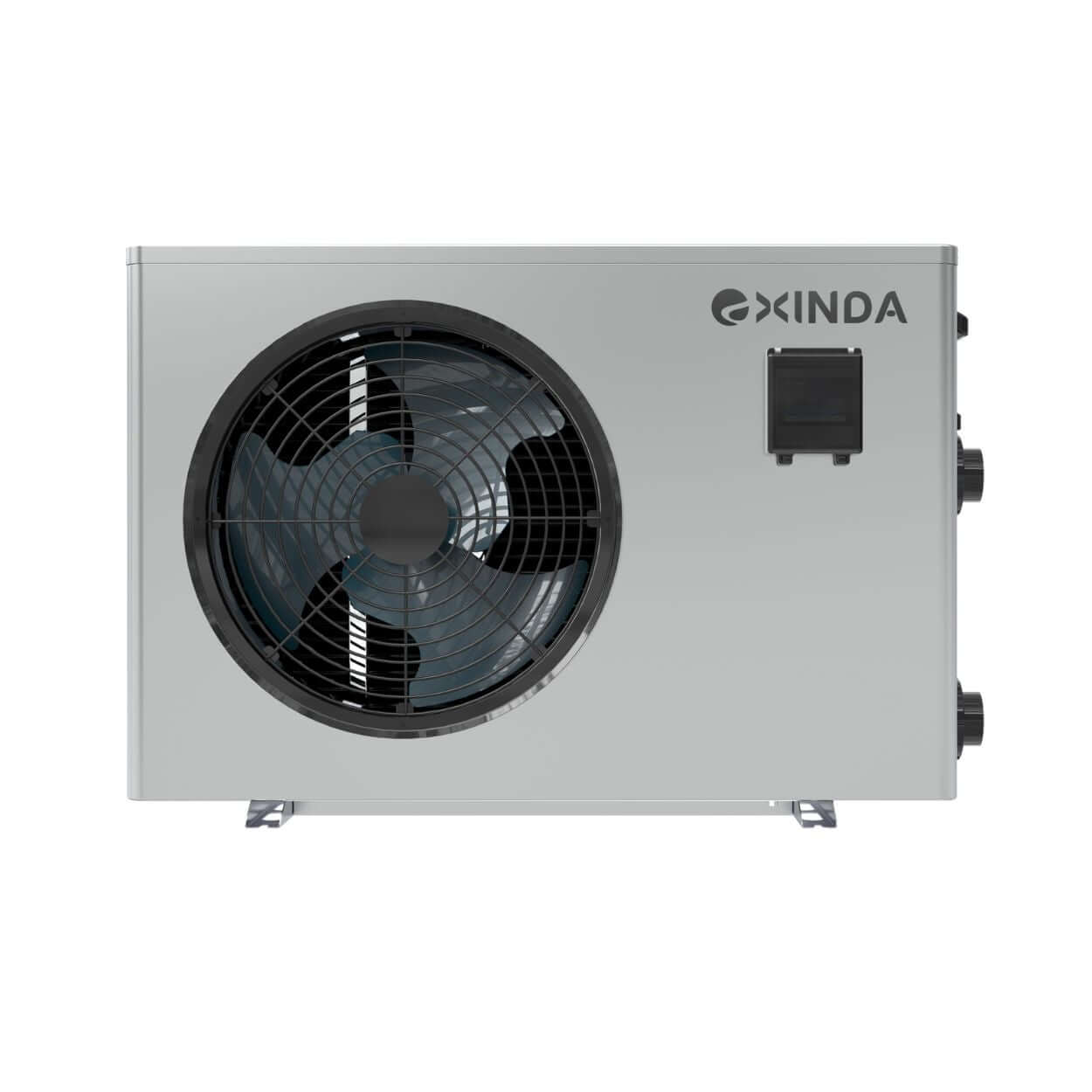
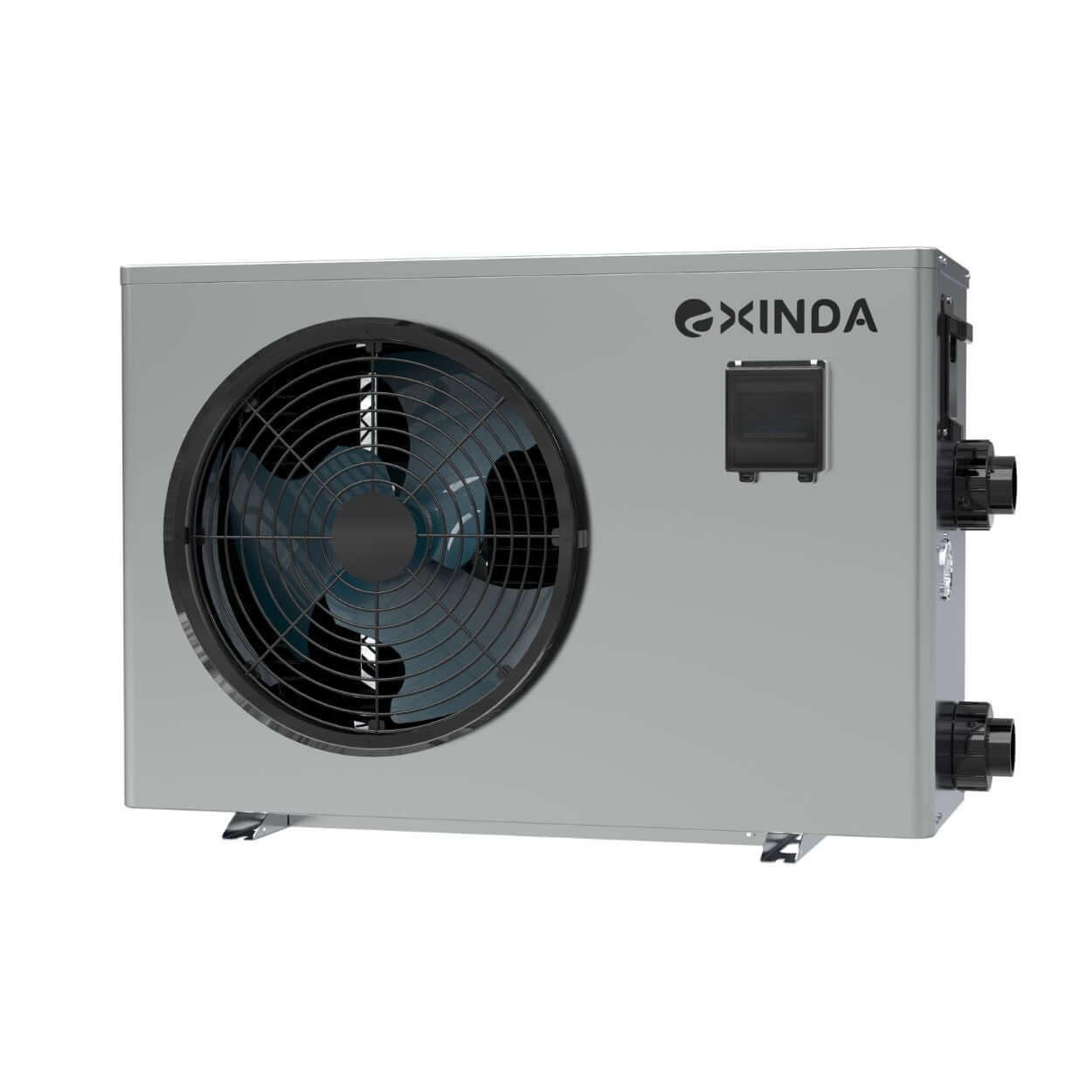
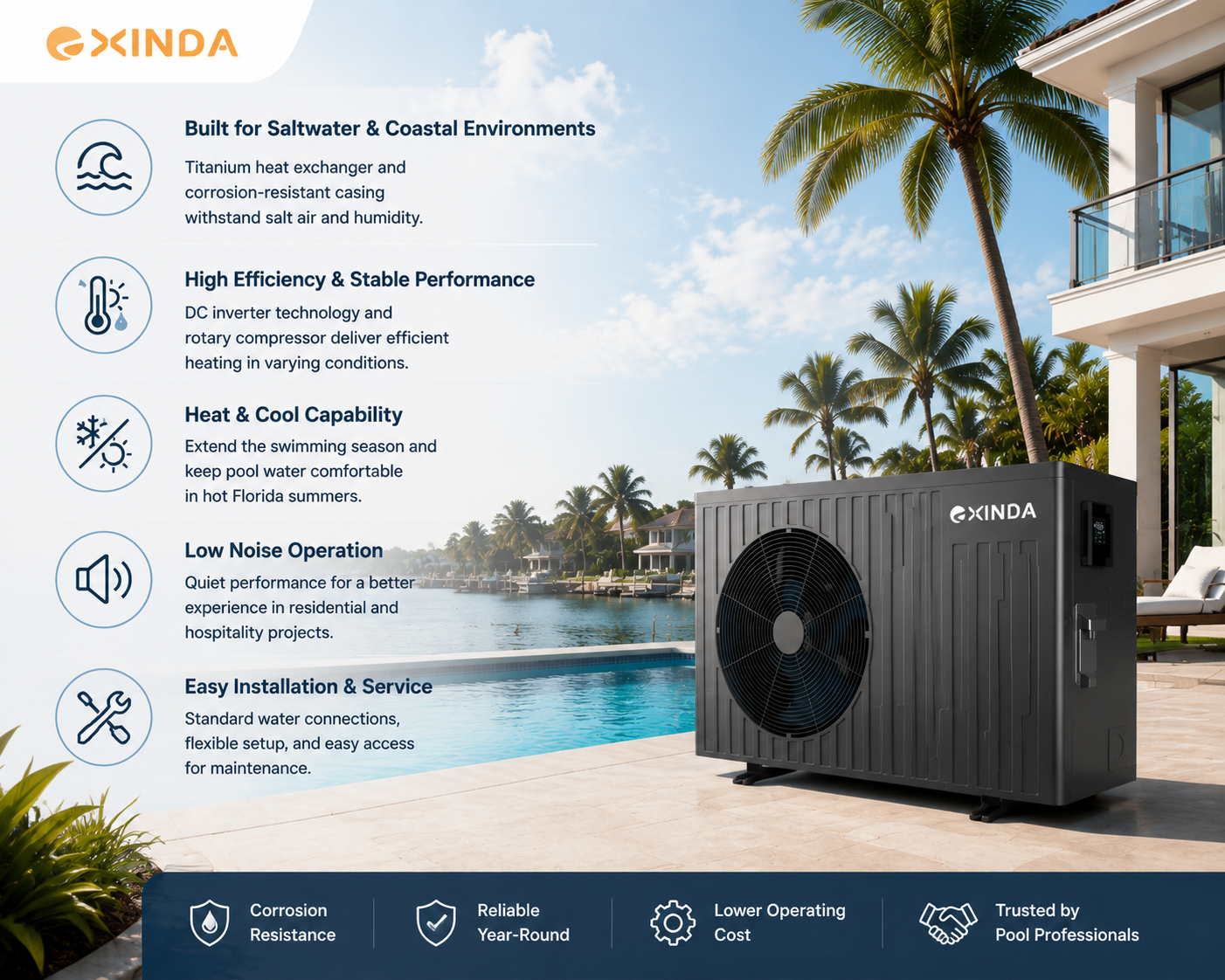
EXINDA pool heat pumps use corrosion-resistant titanium heat exchangers designed for pool applications, including freshwater and saltwater pool environments.
For Florida projects, titanium heat exchanger technology helps address one of the main concerns contractors face when installing equipment near chemically treated water systems.
2. Coastal Florida Requires Outdoor Equipment Designed for Harsh Conditions
Florida’s coastal areas, including Miami, Fort Lauderdale, and other seaside communities, expose outdoor equipment to challenging conditions.
Pool heat pumps are typically installed outdoors where they experience:
- Humidity
- Sun exposure
- Rain
- Salt air
Over time, these environmental factors can affect equipment appearance, structural durability, and maintenance requirements.
When selecting a pool heat pump for coastal applications, contractors should evaluate:
- Housing materials
- UV resistance
- Corrosion protection
- Outdoor installation suitability
EXINDA pool heat pumps feature corrosion-resistant casing designed for outdoor applications. The product information describes the casing as resistant to corrosion, UV exposure, and physical wear, with suitability for outdoor and coastal installations.
For coastal pool projects, equipment durability is an important part of reducing future service concerns.
3. Matching Pool Heat Pump Capacity With Real Project Requirements
Incorrect sizing is one of the most common challenges in pool heating projects.
For contractors, selecting a heat pump requires evaluating:
- Pool volume
- Pool cover usage
- Expected operating conditions
- Customer application
Different Florida projects may require different capacity levels:
- Residential backyard pools
- Large luxury pools
- Vacation rental properties
- Hospitality pools
- Community pools
EXINDA provides a wide capacity range from smaller residential applications to larger pool projects. The product lineup includes 24,000 BTU, 35,000 BTU, 41,000 BTU, 65,000 BTU, 96,000 BTU, 121,000 BTU, and 150,000 BTU models.
For larger residential and commercial-style pool applications:
- The 65,000 BTU model is suggested for approximately 10,000–17,000 gallons with cover.
- The 96,000 BTU model is suggested for approximately 15,000–24,000 gallons with cover.
- The 121,000 BTU model is suggested for approximately 21,000–32,000 gallons with cover.
- The 150,000 BTU model is suggested for approximately 26,000–42,000 gallons with cover.
For contractors, proper sizing helps create better customer experiences and reduces unnecessary system adjustments after installation.
4. Why Inverter Technology Is Becoming More Important for Florida Pool Applications
Pool temperature demand changes constantly.
Factors such as:
- Weather conditions
- Pool usage
- Water temperature
- Operating schedule
can affect heating requirements.
Traditional fixed-output systems may not always match changing demand efficiently.
Inverter pool heat pumps can adjust operation according to actual requirements.
EXINDA inverter pool heat pumps use DC inverter technology and twin-rotary inverter compressors designed for stable operation across varying loads.
The product catalog lists COP values up to 6.77 under specified test conditions for selected models.
For Florida contractors, inverter technology can support:
- More stable temperature control
- Lower operating noise
- Better adaptation to changing pool conditions
5. Cooling Capability: A Growing Consideration in Hot Florida Markets
Florida’s climate creates a unique situation.
In many regions, the primary question is:
“How can we heat the pool?”
In Florida, especially during hot summer periods, another question becomes increasingly relevant:
“Can the pool temperature be controlled when the water becomes too warm?”
For some projects, heating-only equipment may not address all seasonal needs.
Selected EXINDA pool heat pump models provide both heating and cooling functions, allowing operation for year-round pool temperature management.
The specifications list:
- Heating operation
- Cooling operation
- Operating temperature range from -10°C to 43°C (14°F to 110°F) for selected models
This type of solution can be considered for:
- South Florida residential pools
- Luxury properties
- Hospitality applications
- Wellness facilities
6. Installation Considerations Florida Pool Contractors Should Review
A successful pool heat pump installation depends on proper system matching.
Contractors should review several practical factors.
Water Connection and Flow
Different heat pump capacities require different hydraulic conditions.
For example:
EXINDA 65,000 BTU models use a 1.5-inch water connection, while larger 96,000 BTU, 121,000 BTU, and 150,000 BTU models use 2-inch water connections.
Recommended water flow also changes according to capacity, ranging from approximately 29 GPM for smaller large-capacity models to 67–84 GPM for the largest model.
Outdoor Installation Space
Contractors should consider:
- Air circulation
- Equipment accessibility
- Service clearance
- Noise impact
The EXINDA product range includes low-noise designs, with listed sound pressure levels approximately 38–52 dBA at 3 meters depending on model capacity.
7. What Pool Distributors Should Evaluate Before Adding a Heat Pump Brand
For distributors and dealers, product selection is not only about specifications.
A successful pool heat pump program requires:
Product Range
A supplier should support different applications.
EXINDA’s pool solution range covers:
- Residential pools
- Hospitality and resort applications
- Fitness and wellness facilities
- Tourism and entertainment projects
- Education and community applications
Technical Support Materials
Professional customers typically need:
- Product specifications
- Capacity information
- Installation guidance
- Application recommendations
Clear technical information helps contractors select the correct model for each project.
Long-Term Reliability
For pool service companies, reliability directly affects business reputation.
Important supplier considerations include:
- Product consistency
- Replacement support
- Technical communication
- Application guidance
Why EXINDA Pool Heat Pumps Fit Florida Pool Applications
Florida pool projects require equipment designed around real environmental challenges.
For contractors working in hot, humid, and coastal environments, key selection factors include:
- Corrosion resistance
- Saltwater compatibility
- Correct capacity selection
- Outdoor durability
- Stable inverter operation
- Heating and cooling capability for selected applications
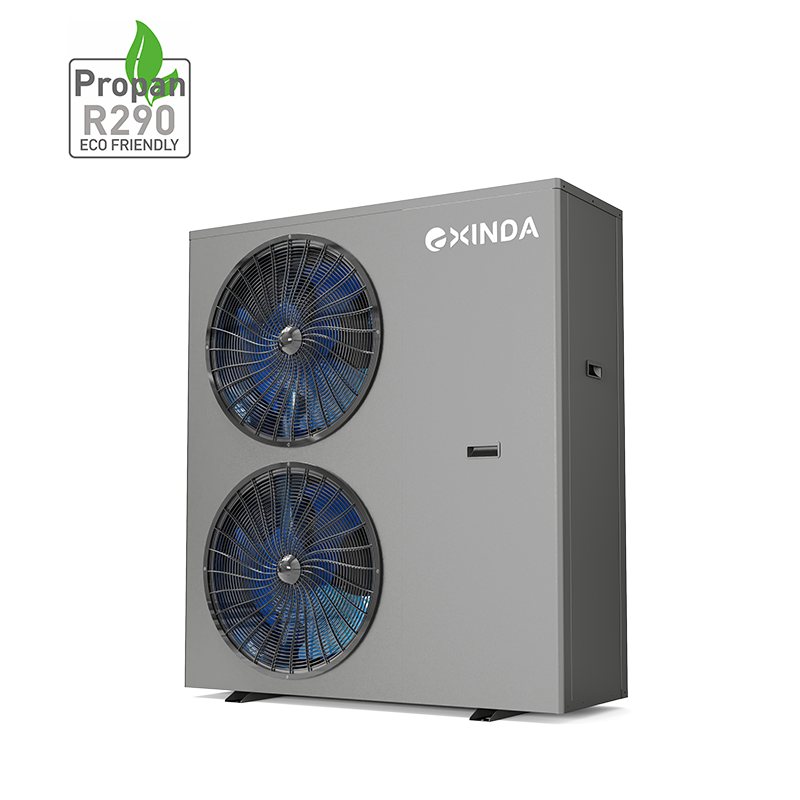
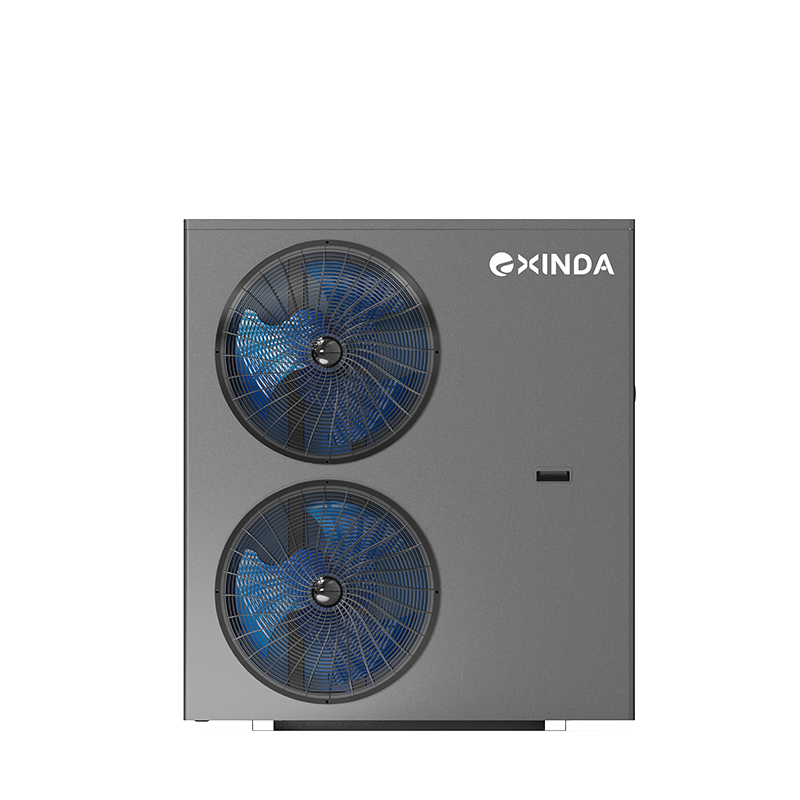
EXINDA provides a complete inverter pool heat pump range designed for residential, hospitality, wellness, and commercial pool applications.
With models ranging from compact residential solutions to 150,000 BTU systems, EXINDA supports different Florida pool project requirements.
For Florida pool professionals evaluating new equipment suppliers, the most important consideration is not only the initial installation.
It is whether the system can deliver reliable performance throughout years of outdoor operation.
FAQ for Florida Pool Contractors
1. What makes a pool heat pump suitable for Florida coastal environments?
Contractors should consider corrosion resistance, outdoor durability, and heat exchanger material. EXINDA uses corrosion-resistant casing and titanium heat exchangers designed for outdoor pool applications.
2. Are titanium heat exchangers suitable for saltwater pools?
Titanium heat exchangers are commonly selected for pool applications requiring corrosion resistance. EXINDA pool heat pumps use corrosion-resistant titanium heat exchangers for freshwater and saltwater pool applications.
3. How do contractors choose the correct pool heat pump size?
Contractors should evaluate pool volume, cover usage, and project requirements. EXINDA provides different capacity models from 24,000 BTU to 150,000 BTU for different pool applications.
4. Why should Florida contractors consider inverter pool heat pumps?
Inverter technology allows the system to adjust output according to demand. EXINDA inverter models use DC inverter technology and twin-rotary inverter compressors for stable operation.
5. When should contractors consider a heating and cooling pool heat pump?
Heating and cooling capability can be useful for hot climates where pool temperature control is needed throughout the year. Selected EXINDA models provide both heating and cooling operation.
6. What information should pool distributors request before adding a new heat pump supplier?
Distributors should review:
- Product range
- Capacity coverage
- Technical documentation
- Application support
- Long-term supplier capability
A broad product range helps serve residential, hospitality, wellness, and community pool markets.