Overview
EXINDA Energy Recovery Ventilation (ERV) systems are becoming a mandatory compliance and performance requirement in North American multi-family buildings.
With stricter energy codes such as ASHRAE 62.1 / 62.2 and IECC, modern apartment buildings must provide continuous mechanical ventilation while reducing HVAC energy consumption.
ERV systems solve a critical building challenge:
Delivering continuous fresh air while recovering energy from exhaust air to reduce heating and cooling load.
This makes ERV a core HVAC solution for apartments, condominiums, student housing, and high-rise residential projects.
Why ERV is Required in Multi-Family Buildings (Code-Driven Demand)
1. Airtight Building Regulations (Energy Efficiency Trend)
Modern North American buildings are designed with:
- High airtightness envelopes
- Improved insulation systems
- Reduced natural infiltration
While this improves energy performance, it reduces natural ventilation.
Result:
- Indoor air stagnation
- CO₂ buildup
- Humidity imbalance
- Odor accumulation
2. North American Energy Code Compliance
ERV systems are widely used to meet:
- ASHRAE 62.1 / 62.2 (Indoor Air Quality Ventilation Standards)
- IECC (International Energy Conservation Code)
- NECB (Canada Energy Code)
- California Title 24 (high-efficiency ventilation requirement)
- LEED / Passive House ventilation requirements
In many projects, ERV is the most efficient compliance pathway.
3. Multi-Family Operational Challenges
Compared to single-family homes, multi-family buildings require:
- 24/7 continuous ventilation
- High occupancy density handling
- Low noise operation
- Maintenance-friendly design
- Central or distributed system flexibility
How Energy Recovery Ventilation Works
ERV systems operate using two separate airflow paths:
- Indoor exhaust air
- Outdoor fresh air
Both air streams pass through an energy recovery core.
Energy Transfer Process
- Heat is transferred between air streams
- Moisture is partially balanced (season dependent)
- Air streams remain physically separated
Result:
Pre-conditioned fresh air enters the building with reduced HVAC load.
Energy Recovery Principle (Technical Logic)
ERV recovers two types of energy:
1. Sensible Energy (Temperature)
- Winter: pre-heats incoming cold air
- Summer: pre-cools incoming hot air
2. Latent Energy (Humidity)
- Reduces humidity difference
- Improves indoor comfort stability
- Reduces dehumidification load
Multi-Family ERV System Types
1. Centralized ERV System
Used in:
- High-rise apartments
- Large residential complexes
Features:
- Central mechanical room
- Large airflow capacity units
- Duct distribution network
2. Decentralized ERV System
Used in:
- Mid-rise apartments
- Condominiums
- Retrofit buildings
Features:
- Unit-by-unit installation
- Independent control per apartment
- Easier retrofit integration
3. Hybrid ERV System
Used in:
- Premium residential developments
- Mixed-use buildings
Features:
- Combined centralized + decentralized ventilation
- Optimized energy and zoning control
| System Type | Application | Pros | Cons | Best Use Case |
|---|---|---|---|---|
| Centralized ERV | High-rise apartments | Lower equipment duplication, easier control | High duct cost | Large residential towers |
| Decentralized ERV | Apartments / retrofit | Easy installation, zoning flexibility | More units to maintain | Mid-rise buildings |
| Hybrid System | Premium developments | Balanced energy + control | Higher design complexity | Luxury multi-family |
Code Compliance Design Requirements
To meet North American standards, ERV systems must satisfy:
Airflow Compliance
- ASHRAE-based ventilation rate per occupant
- Balanced supply and exhaust airflow
Energy Efficiency
- High heat recovery efficiency
- Low Specific Fan Power (SFP)
Acoustic Requirements
- Low noise operation (critical for bedrooms)
Control Strategy
- Continuous ventilation or demand-based control (CO₂ / humidity)
Commissioning Requirements
- Air balancing reports
- System verification documentation
Key Benefits of ERV in Multi-Family Projects
1. Code Compliance Simplification
Supports compliance with:
- ASHRAE ventilation standards
- IECC energy codes
- LEED / green building certification
2. HVAC Energy Load Reduction
- Reduces heating demand in winter
- Reduces cooling demand in summer
- Lowers peak HVAC system sizing
3. Operational Cost Reduction
- Lower utility bills
- Reduced HVAC system cycling
- Improved system efficiency
4. Indoor Air Quality (IAQ) Improvement
- Continuous fresh air supply
- CO₂ reduction
- Odor and pollutant control
Selection Guide for Multi-Family ERV Systems
Key selection parameters:
- Airflow capacity (CFM / m³/h)
- External static pressure capability
- Heat recovery efficiency (sensible + latent)
- Noise level (dB rating)
- Control system type (central / individual / hybrid)
- Maintenance access design
Installation Considerations
Typical installation methods:
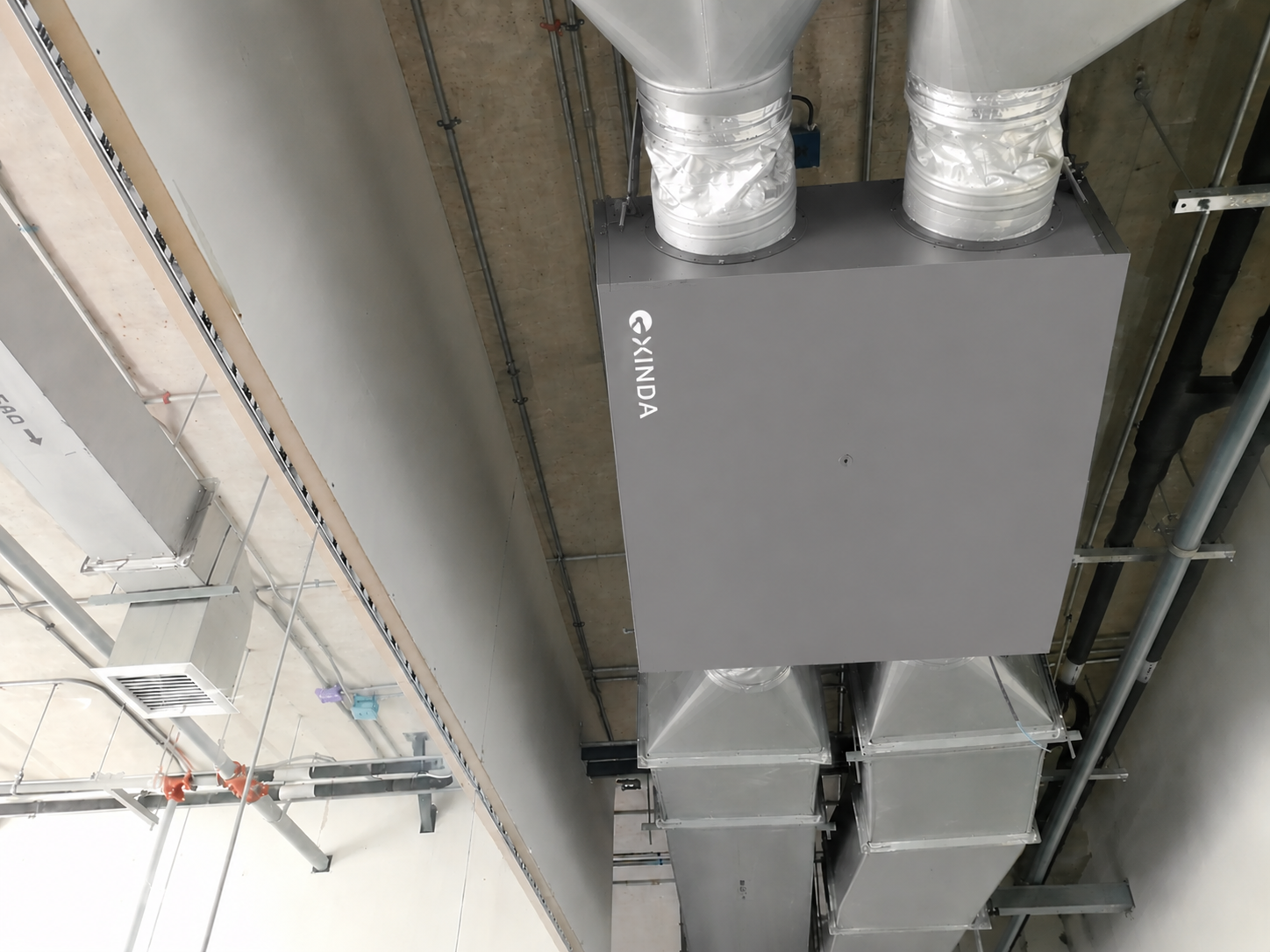
- Ceiling-mounted systems (most common)
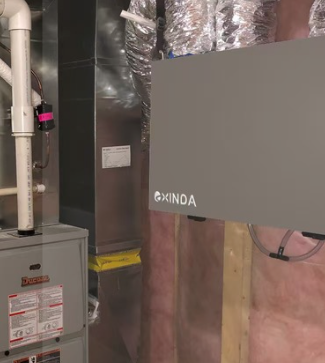
- Wall-mounted compact ERV units
- Mechanical room centralized systems
Critical design points:
- Fresh air intake separation
- Condensate drainage design
- Fire damper integration
- Filter replacement accessibility
Applications in North America
- Apartment buildings
- Condominium developments
- Student housing
- Senior living communities
- Affordable housing projects
- Mixed-use residential towers
FAQ
Q1: Is ERV required in North American multi-family buildings?
In many jurisdictions, mechanical ventilation is required under ASHRAE and IECC codes. ERV is the most widely used energy-efficient compliance solution.
Q2: What is the difference between ERV and HRV?
ERV transfers both heat and moisture, while HRV only transfers heat. ERV is more suitable for humid or mixed climates.
Q3: Can ERV reduce HVAC system size in apartment buildings?
Yes. By reducing ventilation-related heating and cooling loads, ERV can significantly reduce HVAC system capacity requirements.
Q4: What building types commonly use ERV systems?
- Apartments
- Condominiums
- Student housing
- Senior living facilities
- High-rise residential towers
Q5: What codes does ERV help comply with?
- ASHRAE 62.1 / 62.2
- IECC energy code
- NECB (Canada)
- California Title 24
- LEED certification requirements
Q6: What is better for multi-family buildings: centralized or decentralized ERV?
It depends:
- Centralized: better for large developments
- Decentralized: better for zoning, retrofit, and unit control
Q7: What support does EXINDA provide for ERV projects?
EXINDA provides project support including system selection, code compliance review (ASHRAE / IECC / NECB), submittals, and technical documentation for multi-family ERV applications.
Plan an In-Unit ERV Package with EXINDA
For a project using one residential ERV per dwelling, compare the five Breeze models by airflow at design pressure, cabinet orientation and duct size. A ceiling model suits a ceiling-based layout only when installation and service clearances fit; a wall-mounted model needs an appropriate utility or mechanical space.
Move from Selection to Installation
- Define representative dwelling requirements: airflow, available ceiling or wall space, duct routing and control needs.
- Select and document the equipment: match each dwelling type to a proposed model and prepare the technical submittal package.
- Review an initial installation: check mounting, service access, controls and measured supply/exhaust airflow before repeating the arrangement across similar dwellings.
- Prepare the handover: retain model records, commissioning results and filter/maintenance instructions for the property team. Agree who handles routine maintenance, technical questions and replacement-parts requests before the installation is handed over.
The Washington multifamily case illustrates a ceiling-space application. Use the project’s own design conditions to select current equipment.
Start with your project location, building type and available ventilation requirements. Discuss a multifamily ERV project with EXINDA for model-selection and documentation support.
Contact
For technical support, project evaluation, or engineering documentation requests, please contact EXINDA.
Our team supports HVAC engineers, contractors, and distributors in North America with product selection and system integration.
EXINDA HVAC Systems
Email: info@exindagroup.com
Response time is typically within 24 hours for project and technical inquiries.